What Rosemead houses tell us about their plumbing
Rosemead grew fast after World War II, and much of its plumbing has been patched rather than replaced. Here is what that means at the sink, tub and toilet.
- 1959median year built for Rosemead homes
- 4,089homes built in the 1950s
- 15,447homes counted in total
- 97.4 ppmaverage hardness, SGCWD 2025
Post-war ranches, updated in pieces
About 4 in 10 Rosemead homes were built in the 1940s and 1950s: 6,417 of 15,447 in the Census Bureau's count. Many are single-story ranch houses on raised floors or slabs, with a hall bath and a kitchen on the same side of the house.
Over the decades, owners swapped fixtures as they wore out. The visible parts are newer, but the supply stubs, shutoffs and drain arms behind them are often the originals.
What that looks like in a repair
- Multi-turn shutoff valves that weep once they are finally turned.
- Chrome traps thinned from the inside after years of water.
- Toilet tanks that take older-style flappers and fill valves.
- Kitchens with a disposer or dishwasher added long after the house was built.
None of that means a house needs replumbing. It means each repair takes a careful look at what the new part is connecting to.
Where Rosemead water comes from
Rosemead is served by more than one water company, so your bill tells you which report to read. San Gabriel County Water District says its water comes from wells in the Main San Gabriel and Raymond groundwater basins, and its 2025 report lists hardness from 17 to 200 ppm.
On the USGS scale, that average lands in the moderately hard range. In practice it means crusty aerators, stiff faucet handles and white rings inside toilet tanks.

Around town
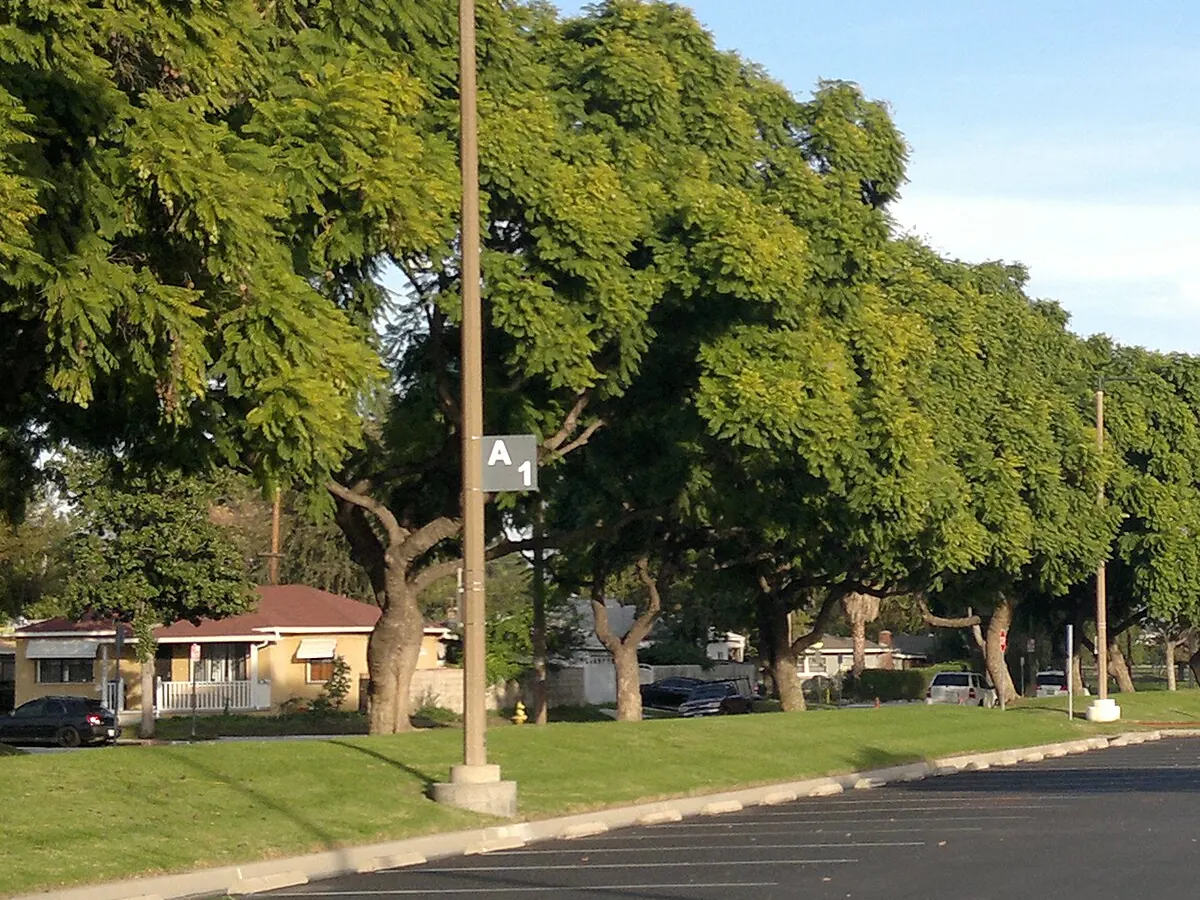
Rosemead stretches from the San Bernardino Freeway north past Garvey Avenue and Valley Boulevard toward San Gabriel and Temple City. It is also home to the headquarters of Southern California Edison on Walnut Grove Avenue.
We take calls across the city and in the neighboring towns listed on our home page.
Sources for the figures on this page